

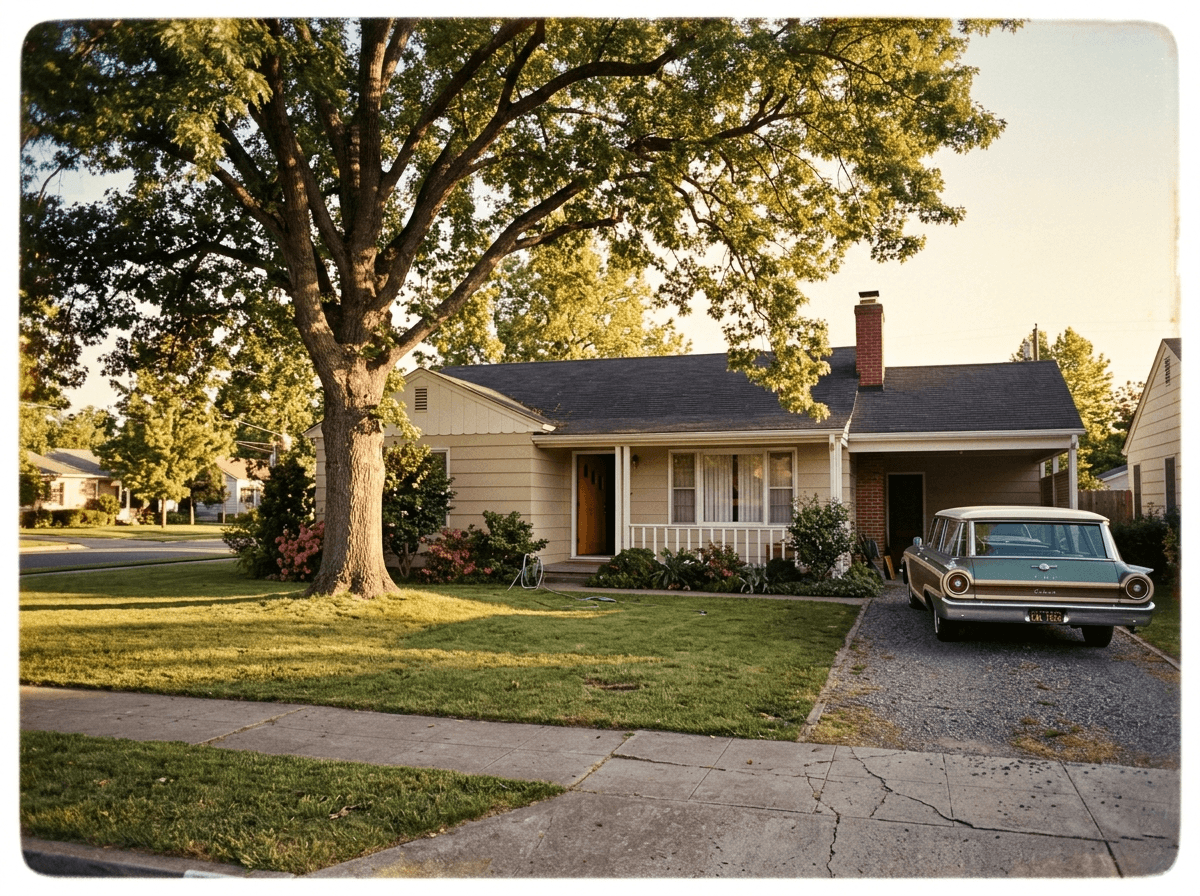
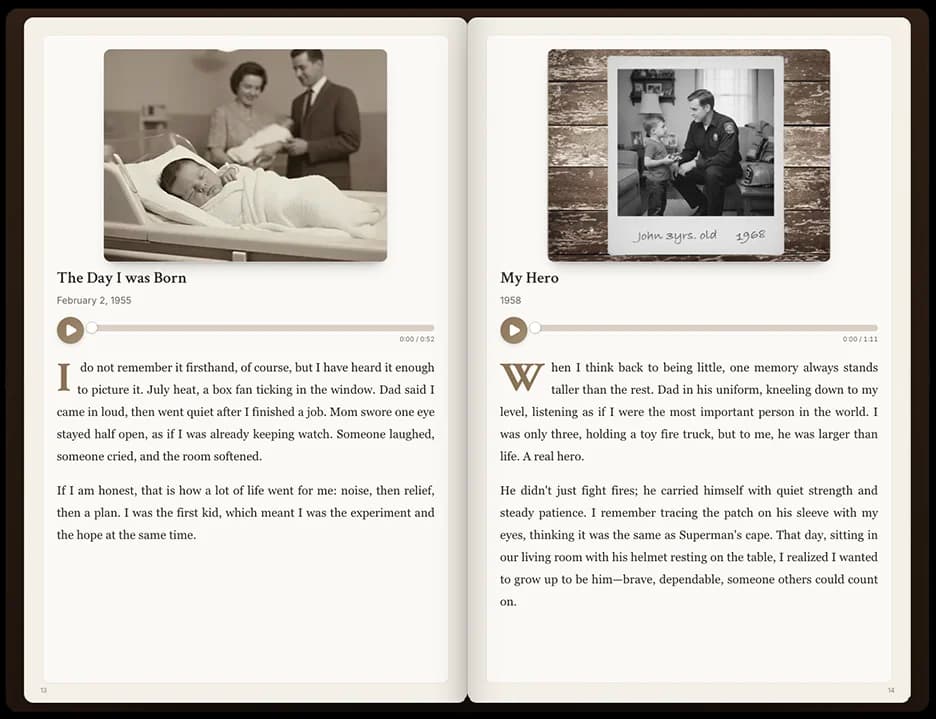
These are questions to ask your grandpa when you want to capture his whole story — not just the patriarch role, but the man he has been his whole life.
Quick Answer
Best questions to ask your grandpa: Start concrete — his first car, first job, his own father. Move into teen years, military service or early career, how he met your grandmother, his work life, and becoming a father. Use specific event-based prompts over open-ended ones — research shows 25-40% better recall with structured questions, without increasing memory errors.¹
Critical timing: 47% of Americans regret not recording their loved ones' voices.² Many grandfathers carry stories they have never told — about their own fathers, about service, about hard years — and they often won't volunteer until someone specifically asks. Your job is to ask.
| Time you have | What to ask |
|---|---|
| 5 minutes | "What was your first car?" or "What was your dad like?" |
| 30 minutes | First-job/first-car question, one about his own father, one about the day he met Grandma or your parent was born |
| A weekend | Childhood → his dad → teen years → military or first jobs → meeting Grandma → becoming a father → career |
| An ongoing project | All 100+ questions below, in 30-45 minute sessions, recorded over months |
Concrete questions first. The harder ones surface on their own once trust is built.
Before You Begin: How to Use This List
Quick answer: Most grandfathers won't volunteer their stories. They'll answer specific questions in detail, but "tell me about your life" usually gets a shrug. This list is built around the concrete prompts grandfathers actually answer.
This list is organized from easiest (childhood, first car, first job) to hardest (regret, faith, what he's never said). Most grandfathers talk most freely about what they did than how they felt — but if you ask the concrete questions first, the feelings come out on their own.
If your grandpa is in his 80s or 90s, run 30-45 minute sessions rather than one long interview. Families who record stories in shorter, recurring sessions capture significantly more content than those attempting marathons.³
His Childhood
Quick answer: Childhood questions are the safest warm-ups. Specific places and objects work better than abstract prompts.
Show 12 more questions
His Father (Your Great-Grandfather)
Quick answer: Questions about your grandpa's own father are some of the most overlooked — and the most revealing. They show where your grandpa learned to be a father, and what he chose to keep or change.
Why this matters: Research shows that children who know their family history have higher self-esteem and better resilience during stress.⁴ The father-to-father story is often where that thread starts — and where the silences in a family begin.
Show 8 more questions
His Mother and Family
Quick answer: Don't skip the mother questions. The mother-son relationship in your grandpa's life shaped how he loved everyone after.
Show 6 more questions
Worried about what to say next?
Pearl, your Whisper Storyteller, asks the follow-up questions for you — gently, one at a time.
Sample conversationWhat was your childhood kitchen like?
Oh, always warm. My mother baked bread every Saturday…
What did the kitchen smell like on those Saturdays?
Yeast and coffee. I can still smell it.
His Teen Years
Quick answer: Teen years are where many grandfathers actually loosen up — first jobs, first cars, first dances, first fights are all easy specific questions.
Show 9 more questions
Military Service or What He Did in His 20s
Quick answer: If he served, this is a major story arc most families never ask about properly. Even if he didn't, ask what he did in his 20s — those years often carry stories nobody asks about.
If your grandpa served, ask the warmups gently and follow his lead. For a deeper veteran-specific list with Memorial Day questions and era-specific guidance, see our questions to ask a veteran guide.
Show 11 more questions
If he didn't serve, ask:
How He Met Your Grandmother
Quick answer: The meet-cute story is one most families think they know, but the longer version is almost always full of detail nobody has heard.
Show 5 more questions
His Wedding and Early Marriage
Quick answer: Wedding day questions are detail-rich because the day is so specific. Ask anyway — even quick answers are precious recordings.
Show 5 more questions
His Career and Work Life
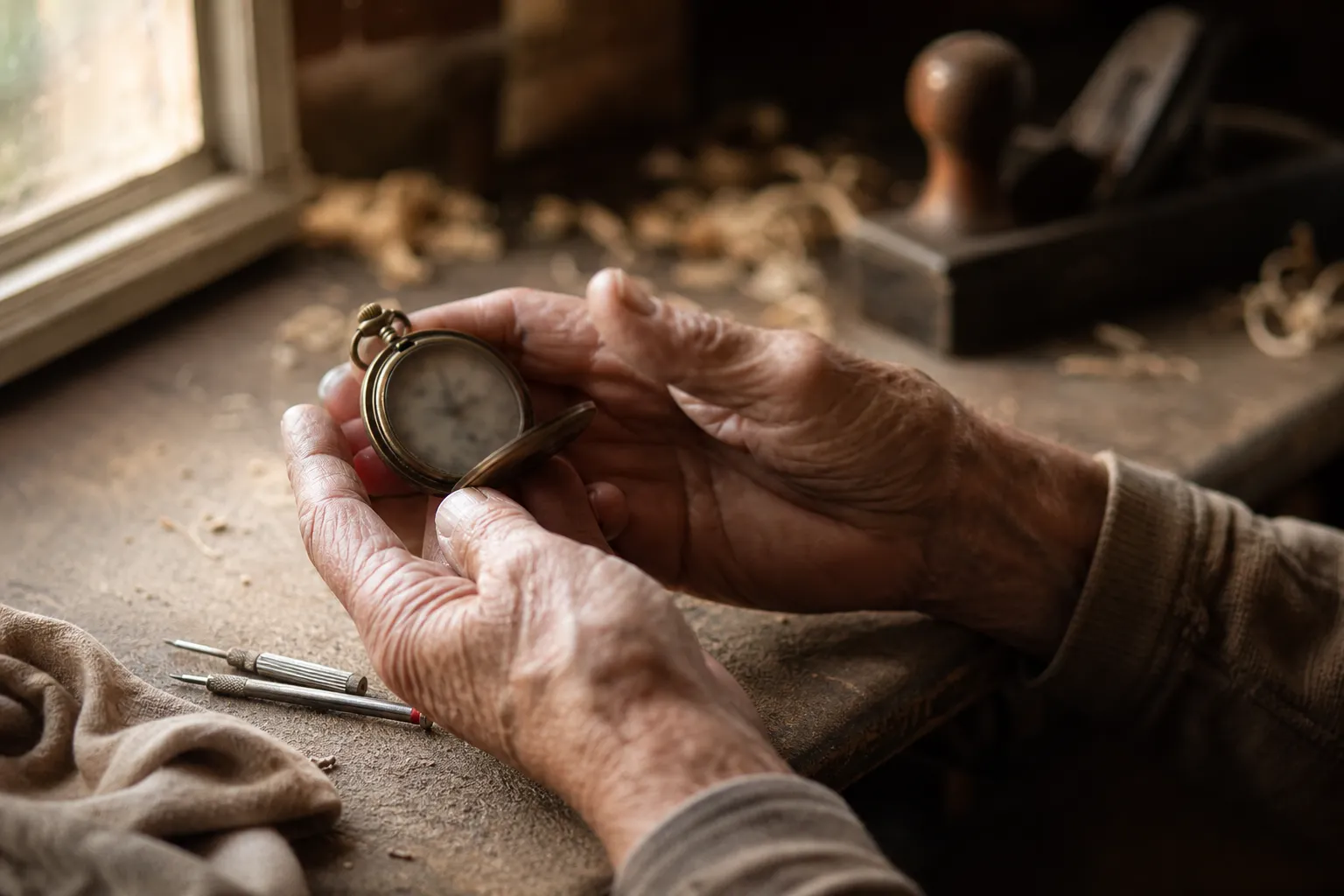
Quick answer: Many grandfathers carry their work as core identity. Ask about specific jobs, specific bosses, specific tools — those are the doors.
Show 9 more questions
Becoming a Father
Quick answer: Most adult children have never asked their father what their birth was like for him. Most grandfathers have never been asked about it twice. Ask.
Show 5 more questions
Watching His Kids Become Parents
Quick answer: This is a thoughtful question grandfathers often answer better than expected. They've had decades to think about it.
Show 4 more questions
His Tools, Hobbies, and the Things He Built
Quick answer: Many grandfathers have a vocabulary of tools, machines, gardens, sports, or trades. Asking him to walk you through one of those is a stealth way to get hours of stories.
Show 4 more questions
Faith, Values, and What He Believes
Quick answer: Faith and belief questions can unlock the wisdom your grandpa is most quotable on. Ask, even if you think you know the answer.
Show 3 more questions
His Reflections and Regrets
Quick answer: Save these for later in the project, after he's relaxed. They're often the most thoughtful — and the most worth recording.
Show 6 more questions
What He Wants You to Know
Quick answer: These are the legacy questions. They tend to be the recordings family replay most after he's gone.
Show 4 more questions
Just for Fun
Quick answer: Light questions are perfect for cool-downs after deeper sections, or for short conversations when energy is low.
Show 3 more questions
The Father's Day or Birthday Conversation: A 30-Minute Starter Set
Quick answer: If you only have one window — Father's Day, his birthday, a holiday — ask these three in order. They're the fastest path to a recording your family will keep.
- "Tell me about your first car." — easy warmup, almost always a story
- "What was your dad like? What did he teach you that you still carry?" — opens the generational thread
- "What was the day [my parent / your first child] was born like for you?" — almost always emotional, almost always the recording grandkids will replay
Hit record before question one. Phone audio is fine. Polish doesn't matter; presence does.
Tips for Asking These Questions
Quick answer: Concrete first, follow the tangents, record everything, never push, ask about objects.
Start concrete. First-car, first-job, his dad's tools — these are the anchors that unlock stories.
Follow the tangents. The most meaningful family stories often emerge from unplanned tangents, not scripted questions.⁵
Record everything. Memory fades roughly 50% within an hour without review.⁶
Make it regular. Three 45-minute sessions will get you more than one three-hour interview.
Ask follow-ups about objects. When he mentions a car, a tool, a place, ask, "What did it look like?" Specific objects unlock the surrounding memory.
Don't push when he goes quiet. That pause often comes right before the most important sentence of the day.
Related Guides
- The best gift for grandparents (year-round)
- The best Father's Day gift for dad
- 100+ Questions to Ask Your Grandma
- 100+ Questions to Ask Your Mom
- 100+ Questions to Ask Your Dad
- 100+ Questions to Ask Your Grandparents
- 100+ Questions to Ask Your Uncle
- 100+ Questions to ask a veteran about their service
- Recording your grandparents' stories
- Questions to ask your parents before they die
- The complete family legacy preservation guide
You have the questions. Now you need 30 minutes and a phone. Heritage Whisper turns the recording into a transcribed, organized archive your family can listen to forever. Your grandkids will be able to hear your grandpa's voice answering these questions long after the conversation is over.
Sources:
- Cognitive Interview Research — "The Cognitive Interview enhances long-term free recall of older adults," Psychology and Aging, 2006
- Memorial Merits Survey — 47% of Americans regret not recording loved ones' voices
- StoryCorps — 645,000+ participants since 2003, with sessions averaging 40 minutes
- Emory University "Do You Know?" Study — Dr. Marshall Duke & Dr. Robyn Fivush: family history knowledge is the best single predictor of children's emotional health
- Frontiers in Psychology — "The role of intergenerational family stories in mental health and wellbeing," 2022
- Ebbinghaus Forgetting Curve — established psychology: memory fades approximately 50% within an hour without review
Frequently Asked Questions
What are the best questions to ask your grandpa?
Start with concrete, specific questions — his first car, first job, his own father — rather than open-ended ones. Most grandfathers don't volunteer stories the way grandmothers do, but they answer specific questions in detail. Move into his teen years, military or early-career service, how he met your grandmother, his work life, and becoming a father. Save reflection and regret questions for late in the project, after he's relaxed.
How do I get my grandpa to open up?
Ask about objects and events, not feelings. 'Tell me about your first car' or 'what was your first job' or 'what kind of work did your dad do' will get you stories. 'How did you feel about that' will usually get you a shrug. Specific concrete prompts unlock memory and feelings together — the feelings come out inside the story, not in answer to a direct question. Let them.
What questions should I ask my grandpa about his military service?
Start with how he ended up in the service (drafted, enlisted, family expectation) and what basic training was like — those are the safest universal warmups. Move into his unit, his job or MOS, where he was stationed, and the people he served with. Save combat, losses, and coming-home questions for later. For deeper guidance, see our questions to ask a veteran guide. Don't assume combat — most veterans never saw combat, and the assumption can feel dismissive of what they actually did.
What should I ask my grandpa before he dies?
Prioritize four areas: his own father (your great-grandfather), his version of how he met your grandmother, the day his first child (or your parent) was born, and a question many men want to be asked but rarely are: 'What's something you've never told me that you want me to know?' Even a 20-minute recording on these areas creates irreplaceable family history. Don't wait.